
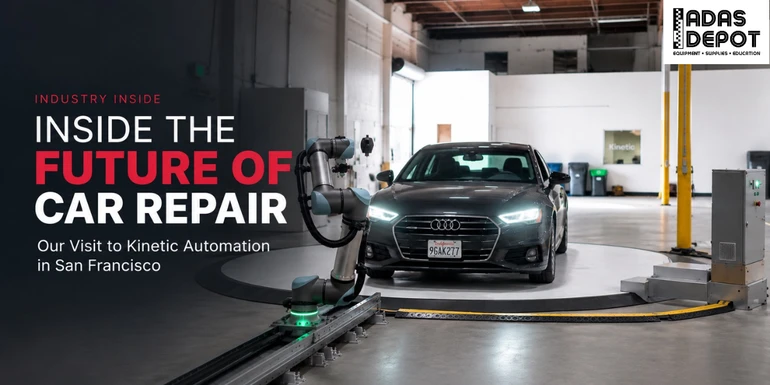
Inside the Future of Car Repair: Our Visit to Kinetic Automation in San Francisco
What does the future of automotive ADAS calibration look like? We got a firsthand look during a recent visit to Kinetic Automation's facility in San Francisco's Dogpatch neighborhood, where robotics, computer vision, and automated vehicle positioning are reshaping how complex ADAS calibrations get done.
Instead of relying entirely on manual measurements and target setup, Kinetic's system pairs a camera-equipped turntable with a robotic arm to position vehicles and calibration equipment with a level of precision that's hard to match by hand. Here's what we saw.
Arriving at Kinetic Automation
Our visit began at Kinetic Automation's San Francisco facility, where the team walked us through the technology and the thinking behind their approach to automated ADAS calibration.
From the street, the building doesn't look much different from any other automotive facility. Step inside, though, and the difference is obvious right away.
Inside the Facility
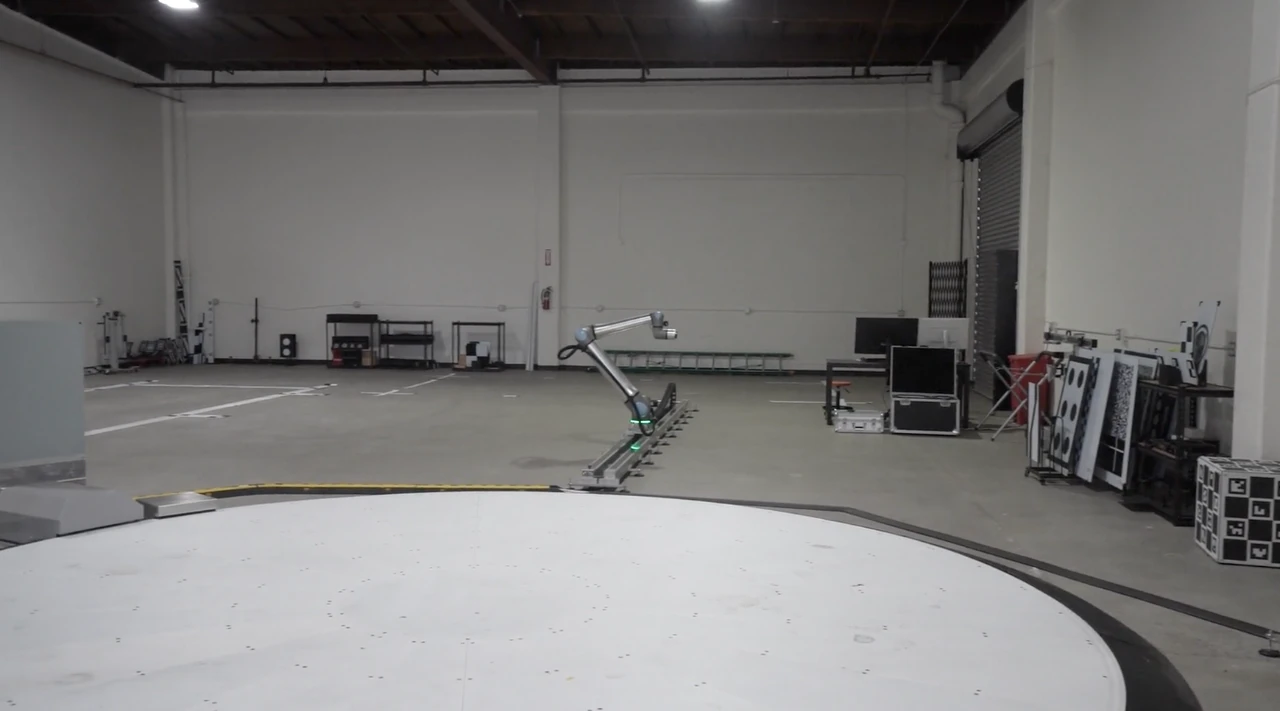
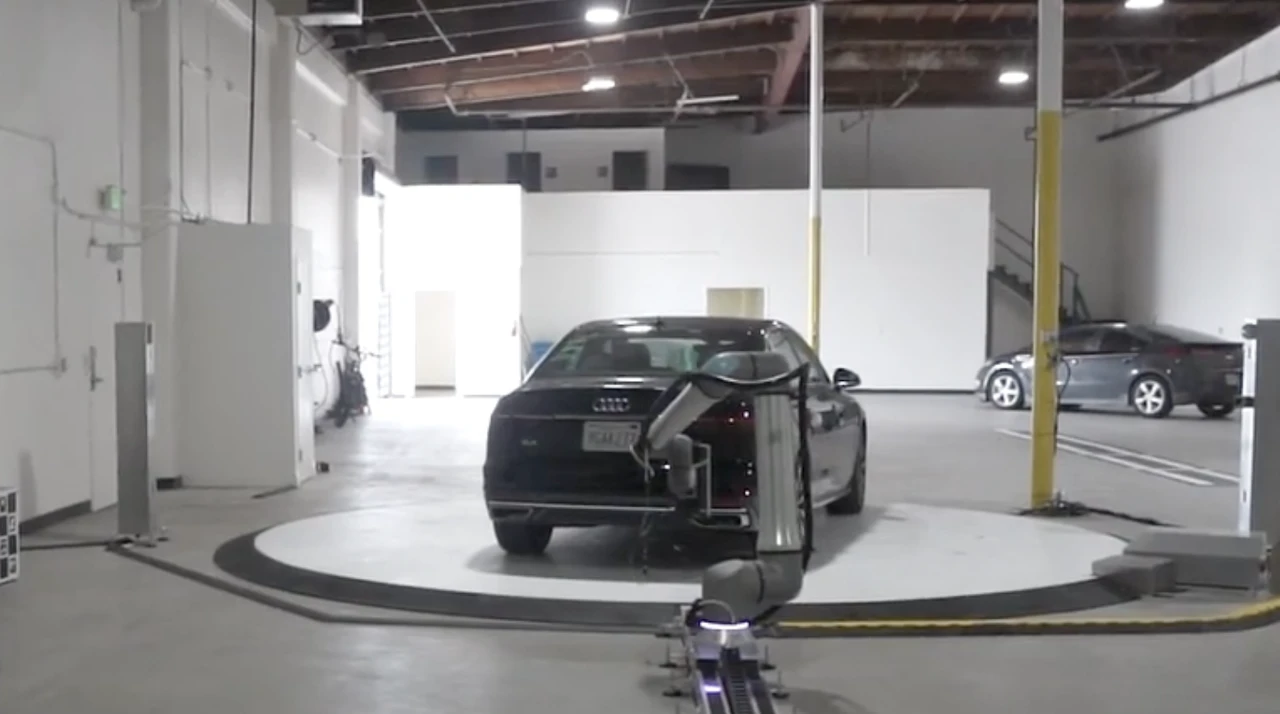
Rather than the lifts, target stands, and tape measures you'd find in a traditional calibration bay, Kinetic's shop floor is built around an open layout designed for automation. At the center of it all is a large rotating turntable ringed by cameras and positioning hardware, engineered to establish exactly where a vehicle sits and how it's oriented before calibration even begins.
The Audi Takes the Stage
During our visit, we watched the system run a blind spot monitoring (BSM) calibration on an Audi. The car was driven onto the turntable and positioned for the automated sequence, and from there the process became a coordinated dance of computer vision, automated positioning, and robotics.
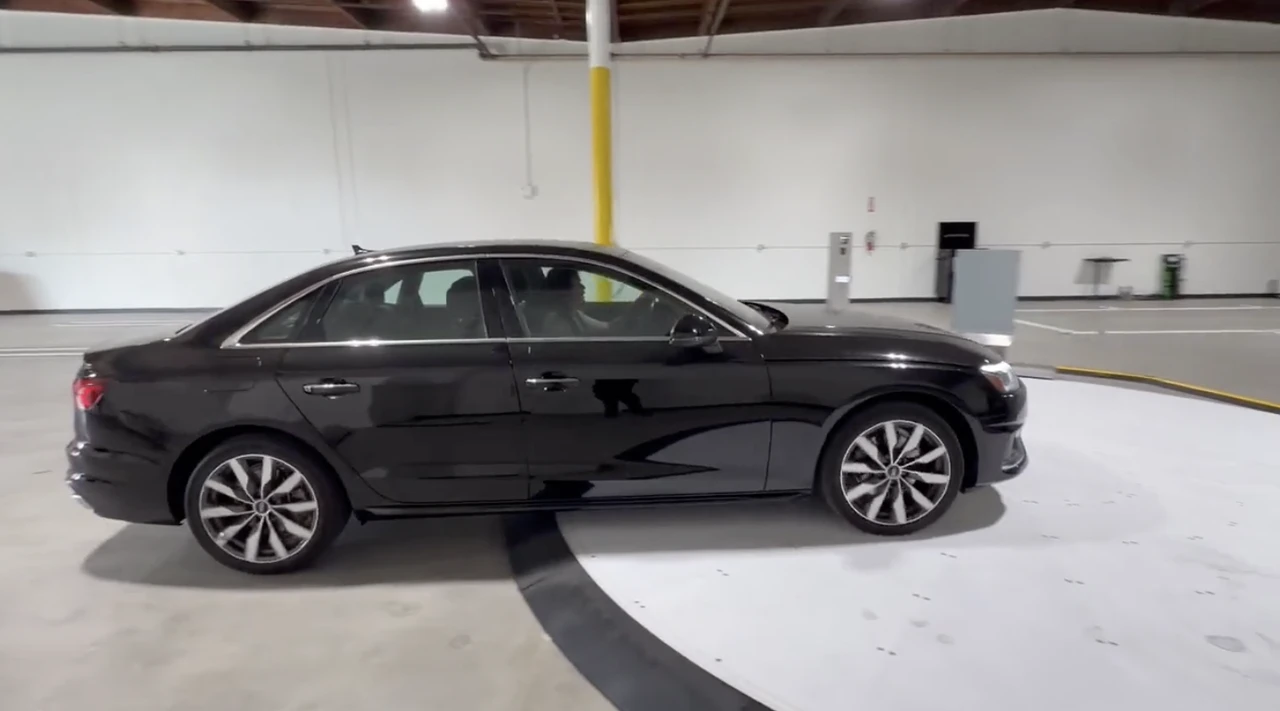
From there, the process becomes a combination of computer vision, automated positioning, and robotics.
Turning the Vehicle Into a Digital Reference
The most interesting part of the system, to us, is how the turntable and cameras work together. Once the vehicle is on the platform, Kinetic's cameras capture its exact position and orientation, and the turntable takes over from there, rotating the car with tight, repeatable control.
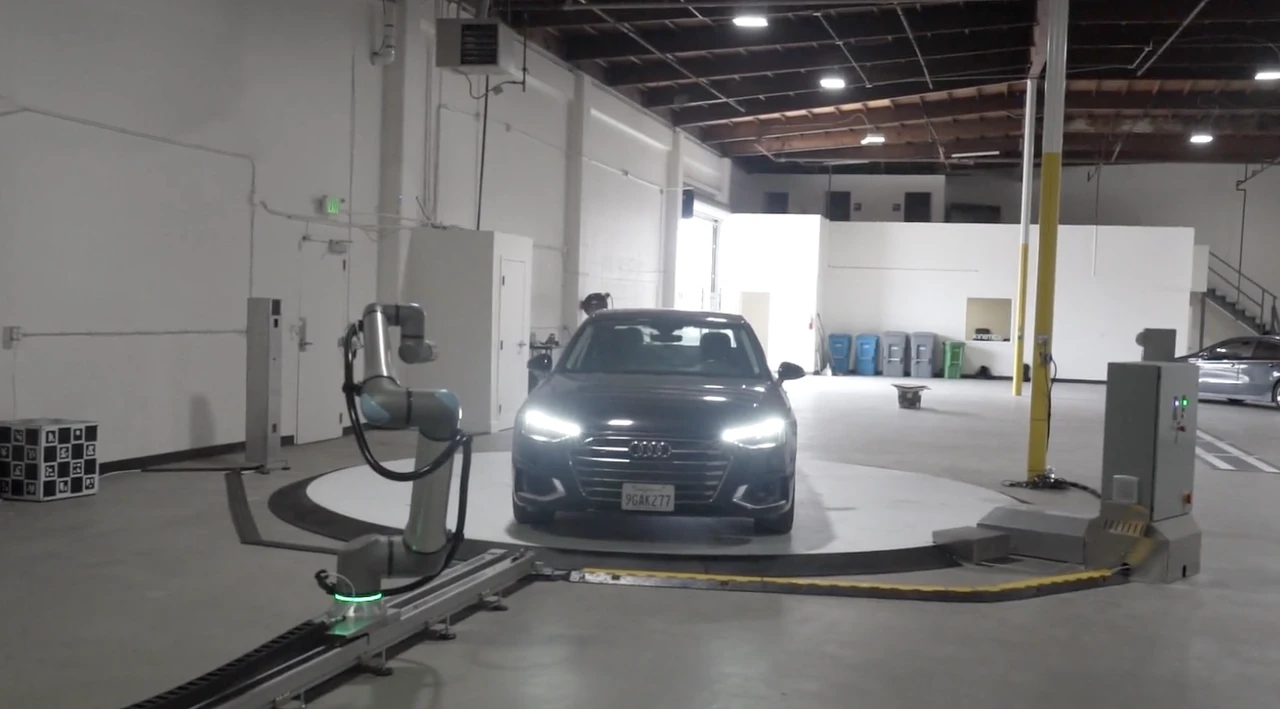
That handoff, from visual tracking to mechanical positioning, is what eliminates most of the manual setup that traditional calibration procedures still depend on.
Where Robotics Enter the Picture
Then comes the piece that really sells the "future of repair" feel: the robotic arm. Mounted on an automated track, it can travel the length of a vehicle and places calibration equipment with a precision that's tough to replicate manually, no matter how experienced the technician.
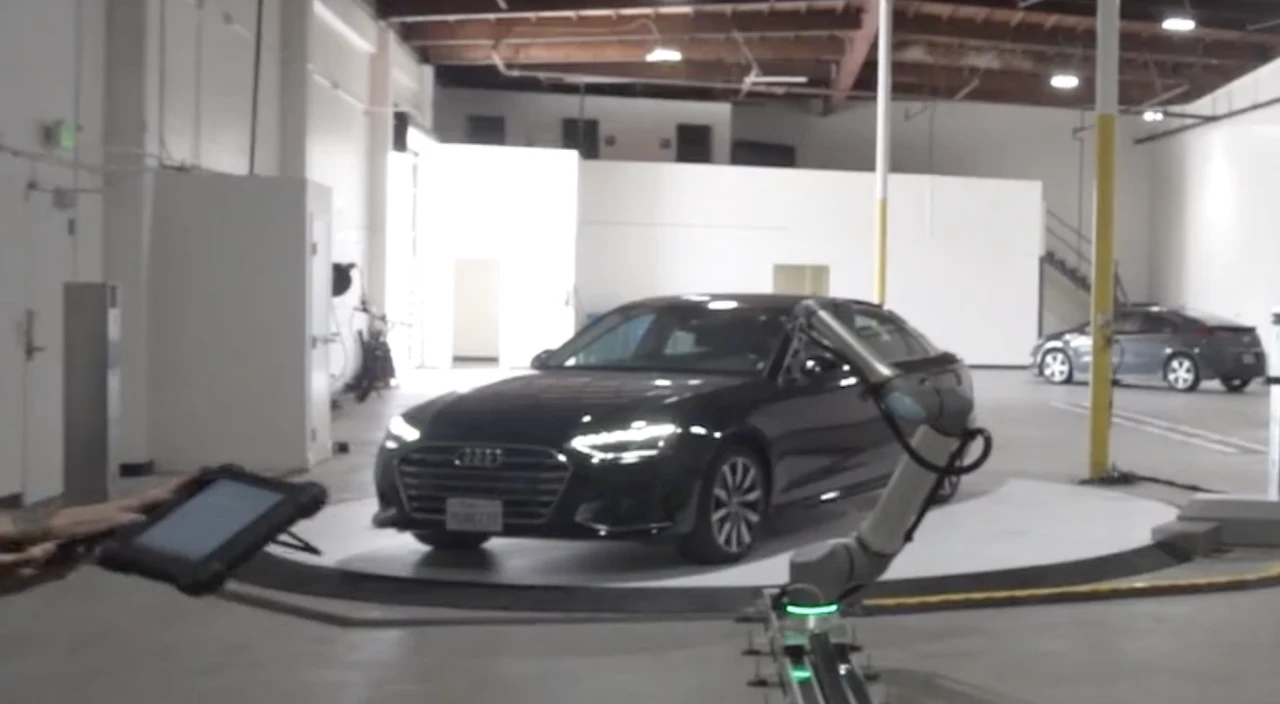
Working together, the turntable and the robotic arm let the vehicle and the calibration equipment be positioned relative to each other without leaning on manual measurements at any point in the process.
Everything Is Controlled From a Central Station
The hardware gets the attention, but the software running underneath it is doing just as much work. During our visit, we watched the calibration process from a dedicated control station, where an operator can monitor the system and its measurements in real time.
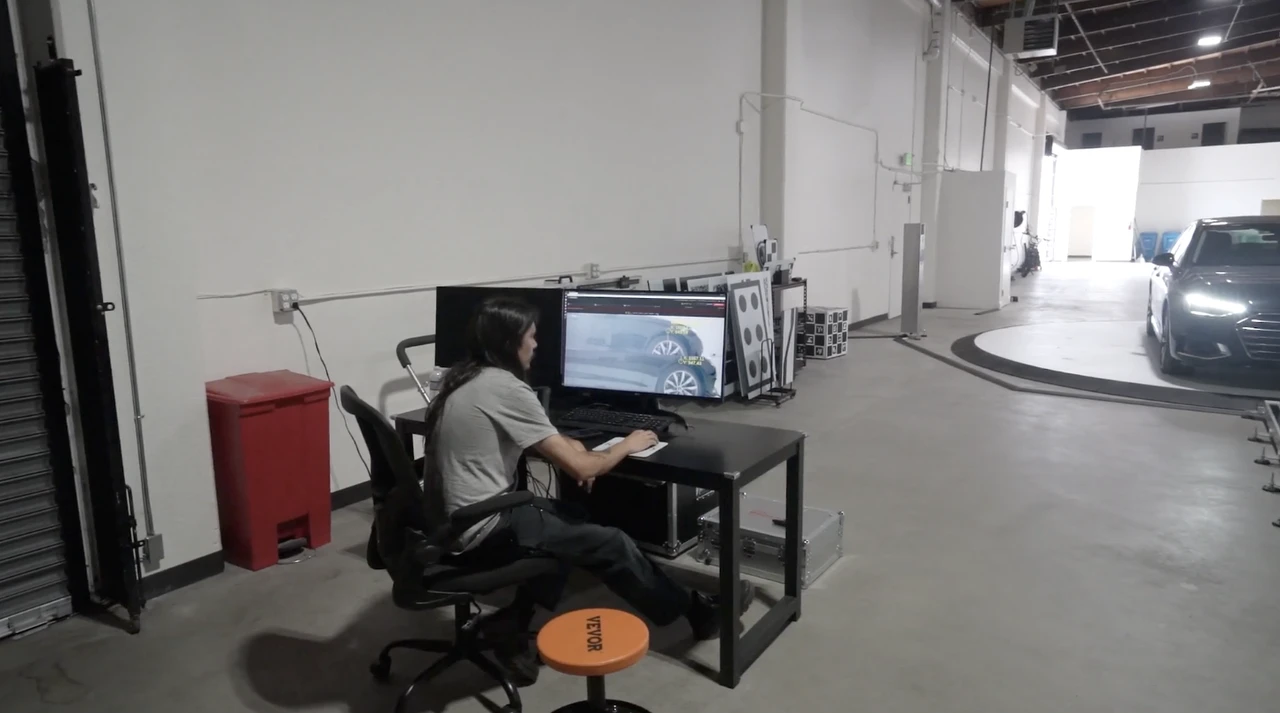
It's the combination, cameras, software, robotics, and automated positioning working as one system that lets the whole process stay coordinated from start to finish.
Watching the System Work
Once everything is in position, the process is remarkably fluid. The Audi rotates on the turntable while the robotic arm moves into place, with the system continuously tracking the vehicle's location relative to the calibration equipment.

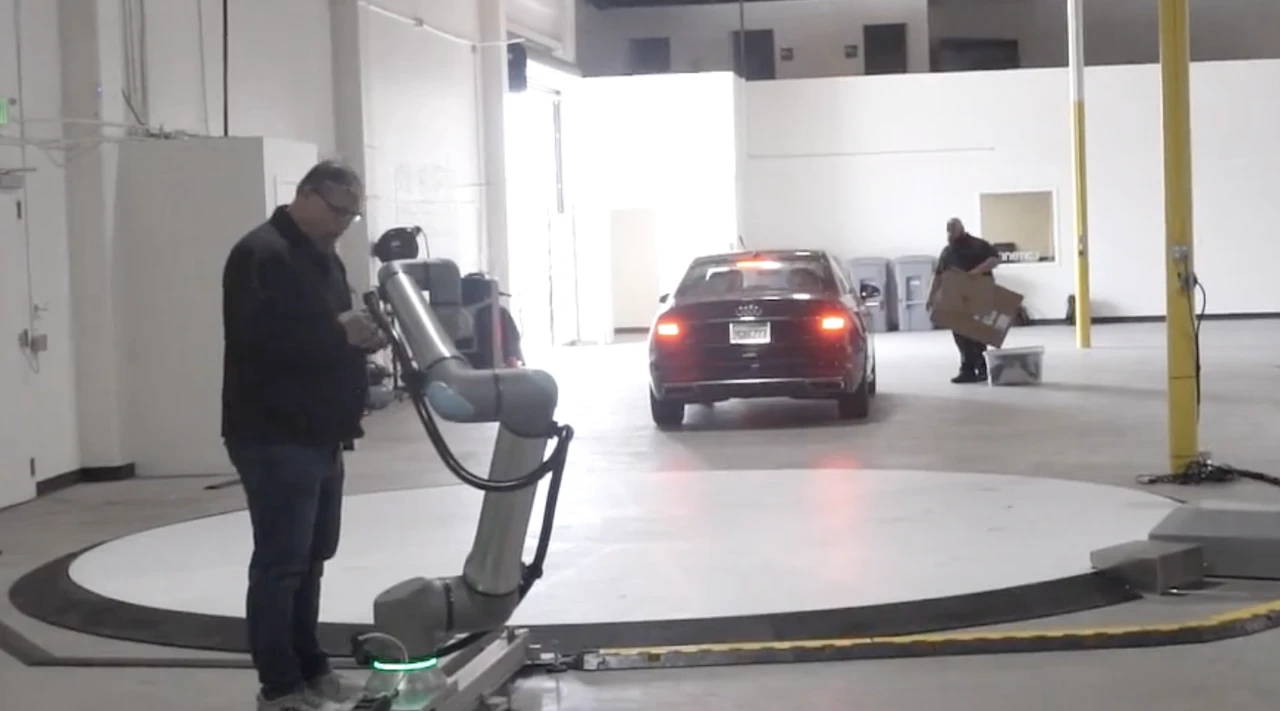
Seeing it run in person makes the case for automation pretty clearly, especially as ADAS systems keep getting more complex.
Precision From Every Angle
One more thing that stood out: how the system holds precision as the vehicle moves. The turntable repositions the car as needed while the robotic system keeps exact control of the calibration equipment throughout.
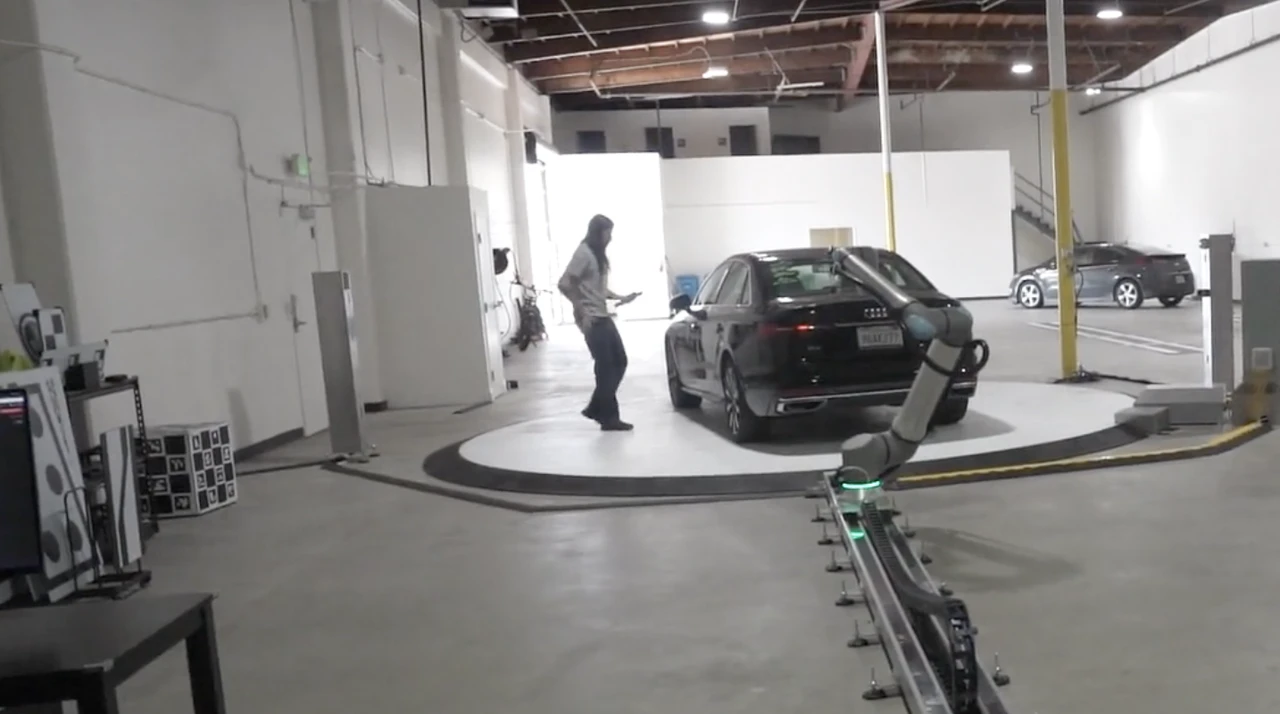
For vehicles loaded with multiple cameras, radar sensors, and other ADAS hardware, that kind of repeatability isn't just impressive to watch. It's genuinely valuable.
Why This Matters for ADAS Calibration
Modern vehicles lean heavily on cameras and sensors for blind spot monitoring, lane keeping assistance, automatic emergency braking, and a growing list of other driver-assistance features.
When those systems need calibration, precision isn't optional.
Traditional calibration can mean significant setup time, specialized targets, careful measurements, and a lot of floor space.
Kinetic's approach automates much of that positioning work through computer vision and robotics, which is exactly the kind of shift we're watching closely at ADAS Depot as shop workflows evolve alongside vehicle technology.
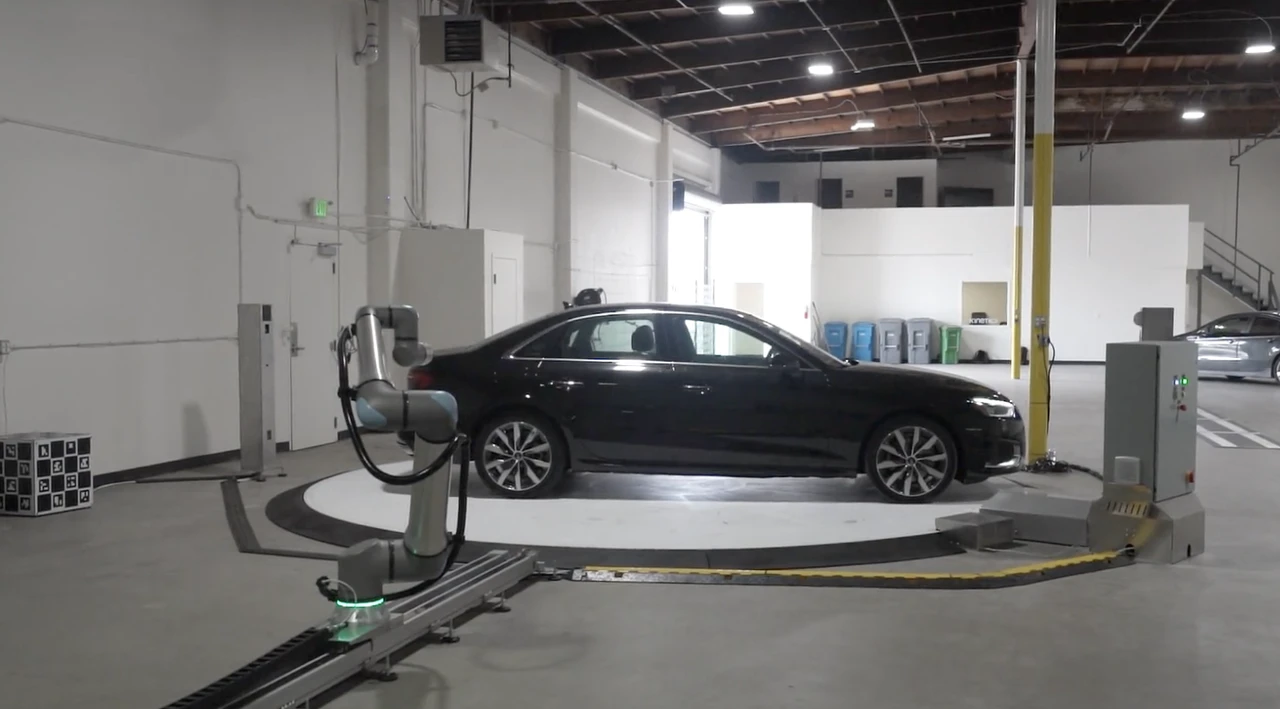
The result is a calibration environment designed around consistency, repeatability, and efficiency.
From Calibration to the Road
After the calibration sequence wrapped up, the Audi rolled off the turntable and back into circulation.
Watching a vehicle go from entering the facility to completing calibration, all inside the same automated environment, was a solid example of where ADAS calibration is headed as the technology in these vehicles keeps advancing.
Thank You, Kinetic Automation
Thanks to the entire Kinetic Automation team for hosting us and giving us an up-close look at their facility and technology. It was a pleasure meeting the team, watching the system operate firsthand, and learning more about their approach to automated ADAS calibration.
Seeing it in person was genuinely eye-opening, and we're glad to share it with the ADAS Depot community. If you're weighing how automation fits into your own shop's calibration workflow, our team at ADAS Depot is always happy to talk through what's out there.
The future of ADAS calibration is becoming more automated.
Explore ADAS Calibration SolutionsADAS DEPOT | ADVANCED DRIVER ASSISTANCE SYSTEMS
