
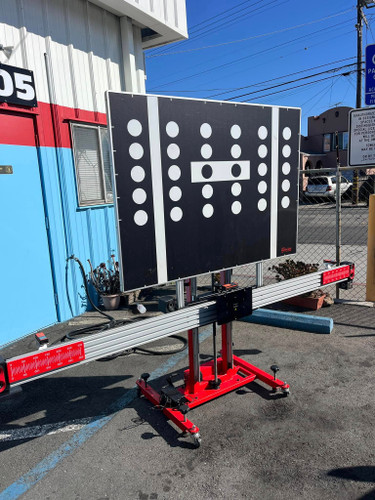
In the ever-evolving world of Advanced Driver Assistance Systems (ADAS), one thing is clear: precision matters. Whether it's a forward-facing camera used for lane-keeping or a radar sensor responsible for emergency braking, the calibration of these components must be exact.
But there's an ongoing debate in the industry—should calibrations be done outdoors or indoors? While some technicians swear by the convenience of calibrating vehicles in parking lots and driveways, others (myself included) believe this approach introduces unacceptable variables into a process that demands control.
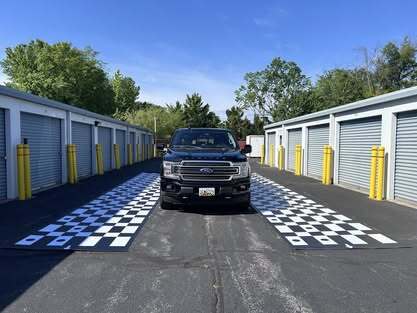
Outdoors:
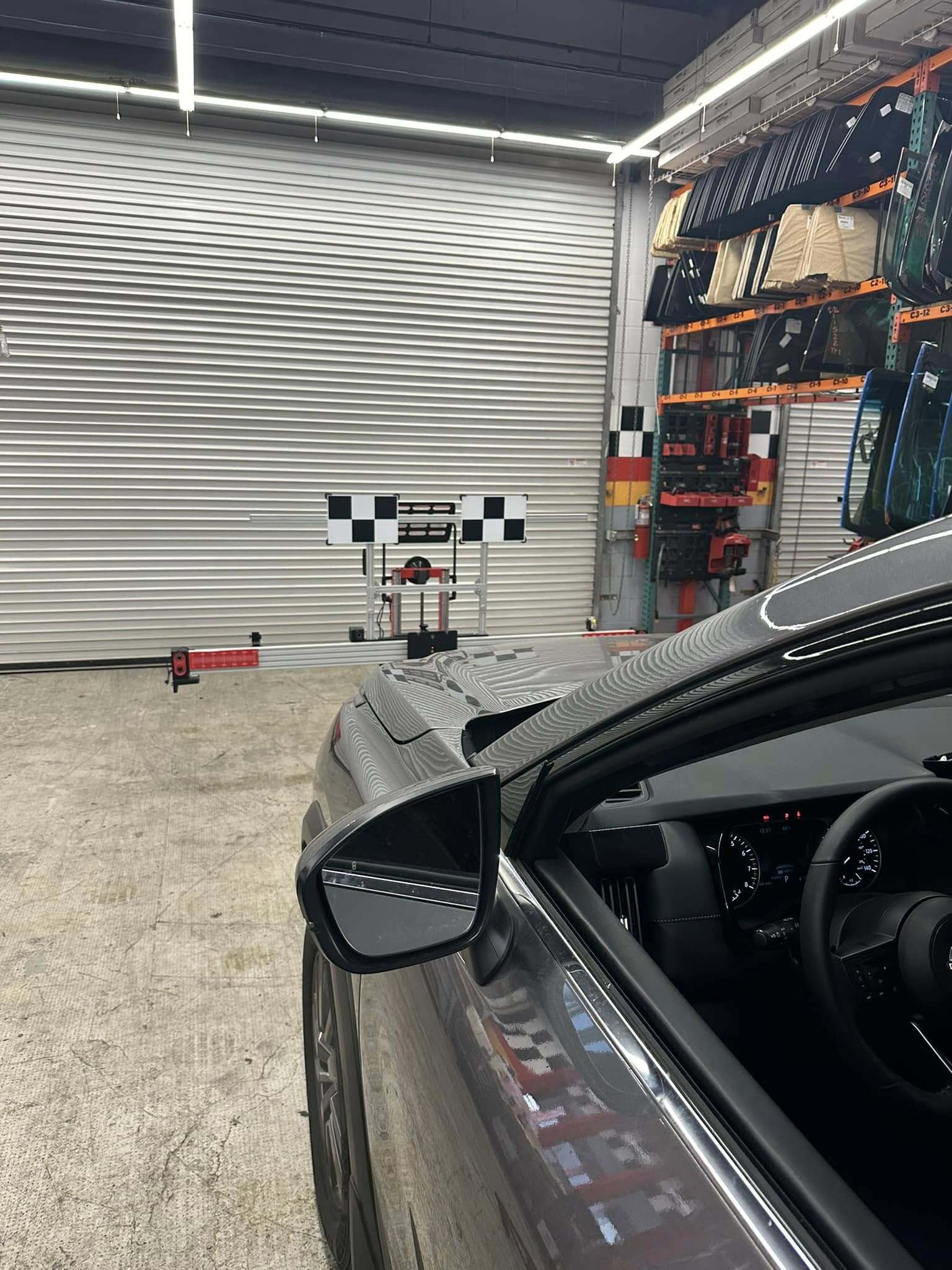
Indoors:
The Outdoor Temptation: Flexibility vs. Fidelity
Let’s start with the obvious: outdoor calibrations are convenient. You don’t need an expensive alignment bay or large real estate investments. You can pull a vehicle into an open area and set up your targets. From a workflow and cost-efficiency standpoint, it’s a dream setup for mobile technicians and high-volume shops.
But here’s the catch—nature is unpredictable.
- What if it's cloudy today and sunny tomorrow?
- What if you're working at noon one day and dusk the next?
- What happens when lens flare from the sun bounces off the vehicle or the calibration target?
This is not just a hypothetical concern. Fluctuations in ambient lighting conditions can significantly affect how the forward-facing camera perceives contrast, distance, and edge detection. Below is a clear example of lens flare, a visual artifact that can change what the camera "sees"—a serious risk in a calibration scenario:

Example of lens flare that could distort ADAS camera input.
Now imagine that artifact introducing a half-degree skew in a lane departure warning system. The calibration might pass, but would you bet your liability insurance on it?
What Are the Floor Requirements for Portable ADAS Calibration?
One of the biggest misconceptions about portable ADAS calibration systems is that they can be used on any flat-looking surface. While modern portable calibration equipment has made mobile ADAS services more practical, the condition of the floor remains one of the most important factors in achieving an accurate calibration.
Most vehicle manufacturers require calibrations to be performed on a level surface because even a slight change in vehicle angle can alter the relationship between the camera, radar, and calibration target. Depending on the OEM, acceptable floor slope may be less than one degree, while some manufacturers recommend staying under 0.5 degrees for the best results.
Portable ADAS systems from manufacturers like Autel can compensate for minor floor irregularities by using laser measurement and built-in leveling technology. However, these systems are designed to compensate for small variations—not severely sloped driveways, uneven parking lots, or damaged concrete. OEM procedures should always take precedence over any aftermarket equipment capabilities.
Before beginning a calibration, technicians should verify that:
- The vehicle is sitting on a stable, level surface.
- Tire pressures are set to the manufacturer's specifications.
- Ride height and suspension components are within specification.
- The calibration frame is level and square to the vehicle.
- The work area is free from excessive slopes, cracks, or wheel depressions.
It's also important to remember that floor level is only one piece of the equation. Proper lighting, adequate workspace, and correctly positioned calibration targets all play a critical role in producing an OEM-compliant calibration. Even the flattest floor cannot compensate for poor environmental conditions or incorrect target placement
Controlled Environments: Consistency is Confidence
Doing calibrations indoors in a controlled environment eliminates these variables.
- Lighting is consistent
- Targets are fixed
- Ambient distractions (shadows, reflections, pedestrians) are removed
- Camera sensors aren’t exposed to glare or shifting light levels
- Floors are level
That’s how you create repeatable, reliable calibrations—the kind you can defend in court if needed. Because while an outdoor calibration might "pass" today, who’s to say it was calibrated to the same standard someone else would apply tomorrow?
Note: failed calibrations from the outdoors are most commonly due to glare from either the front hood, or the targets themselves.
The Bottom Line
Sure, outdoor ADAS calibration is possible. It’s flexible, low-cost, and fast. But is it responsible?
In my opinion, ADAS calibrations should be treated with the same respect as engine tuning or brake testing—done in a controlled environment, free from external variables. A lens flare today could be a lawsuit tomorrow.
